



VOD Streaming: How Video-On-Demand Services Work in 2026

By Dacast Editorial Team | Reviewed by Jon Whitehead, COO at Dacast | Updated May 2026
Choosing the right VOD platform is one of the most consequential decisions a broadcaster or business will make in 2026. Get it right and you unlock a scalable, monetisable content channel that works around the clock. Get it wrong and you pay for storage, bandwidth, and features you never use, while your audience bounces to a competitor whose player actually loads.
Traditional TV viewership continues its long decline as viewers migrate to on-demand alternatives. Online video streaming is projected to add approximately 937 million users between 2024 and 2029, a 19.9% increase, according to Statista (2025). The proliferation of OTT VOD providers means audiences have more choices than ever, and the bar for quality and convenience has never been higher.
For businesses, professional broadcasting via a video streaming platform is playing an increasingly important part of their marketing strategy. With video content reaching 92% of internet users worldwide (Wyzowl State of Video Marketing, 2025), its impact is undeniable. VOD is a powerful method for resonating with your customer base, building brand authority, and generating revenue for broadcasters, SMBs, and enterprise brands alike.
This guide covers everything you need to know about VOD streaming in 2026: what VOD is, how it works technically, the business benefits, current AI and technology trends, a comparison with live streaming, monetisation models, compliance considerations, and a detailed review of the ten best VOD platforms available today.
Pricing and features were verified against live platform pages in May 2026. Always confirm current pricing directly with providers before purchasing.
TL;DR:
- VOD (video on demand) lets viewers watch pre-recorded content at any time, on any internet-connected device.
- The global VOD audience is projected to grow by nearly 937 million users between 2024 and 2029 (Statista, 2025).
- Businesses use VOD for marketing, employee training, customer education, and subscription revenue.
- The three core monetisation models are AVOD (ad-supported), SVOD (subscription), and TVOD (pay-per-view).
- Dacast is the leading professional-grade VOD platform for SMBs and broadcasters, starting at $39/month with a 14-day free trial.
Table of Contents:
- What is VOD Streaming?
- How Does Video on Demand Work?
- VOD Streaming Statistics and Trends
- AI & Technology Trends in VOD Streaming (2026)
- What is the Difference Between VOD and Live Streaming?
- What is OTT?
- Video Hosting Security & Compliance
- VOD Monetization Models
- What Makes a Great VOD Streaming Platform?
- The 10 Best VOD Streaming Platforms in 2026
- FAQ
- Conclusion
What is VOD Streaming?

What does VOD mean? VOD stands for “video on demand”, allowing users to access content from an online library anytime they choose. Unlike traditional TV broadcasts that follow a fixed schedule, VOD gives viewers the flexibility to watch movies, TV shows, documentaries, and other videos whenever they want.
Consumer VOD platforms : Netflix, Disney+, Hulu, and Amazon Prime Video, are the most visible examples, but they are not the only way to leverage VOD technology. Small to mid-sized businesses, independent creators, educational institutions, and enterprise brands all use professional VOD hosting platforms like Dacast to build their own branded streaming channels with full control over distribution, security, and monetisation.
How Businesses and Creators Use VOD Hosting Services
A professional VOD hosting platform gives businesses the infrastructure to store, manage, and deliver video at scale. Content is streamed to viewers via globally distributed content delivery networks (CDNs), ensuring fast load times regardless of geography. Most enterprise-grade platforms, including Dacast, offer three core capabilities:
- Video management: upload, organise, tag, and transcode content through a centralised CMS.
- Monetisation tools: SVOD paywalls, pay-per-view, advertising insertion, and authenticate-only gating.
- Security and access control: AES encryption, DRM, password protection, domain restrictions, and geo-blocking.
Top-tier platforms like Dacast also provide white-label video players, fully brandable and embeddable on your website or social channels, so your audience stays focused on your content, not the platform behind it.
How Does Video on Demand Work?
Video on Demand (VOD) operates by storing video content on a centralized server, which viewers can access online. Users can either stream or download videos on compatible devices such as smartphones, tablets, or smart TVs. When a viewer selects a video, the content is delivered through content delivery networks (CDNs), a globally distributed network of servers designed to provide fast and reliable access.
So, how does VOD work? VOD platforms typically include user-friendly interfaces for browsing content, personalized recommendations, and monetization options like subscriptions or pay-per-view models. To ensure a smooth experience, videos are encoded in multiple formats, adjusting quality based on the viewer’s internet speed and device capabilities.
Here is the technical flow from upload to playback: a broadcaster uploads a source file to the VOD platform, which transcodes it into multiple bitrates (e.g. 360p, 720p, 1080p, 4K). The platform stores these renditions and, when a viewer presses play, the CDN edge node geographically closest to that viewer serves the appropriate bitrate stream in real time. Protocols such as HLS (HTTP Live Streaming) and MPEG-DASH handle this adaptive delivery across devices.
This flexibility allows businesses and content creators to effectively reach audiences while delivering a seamless viewing experience.
The Business Benefits of VOD Streaming
VOD delivers measurable commercial value across four dimensions: marketing reach, audience engagement, operational efficiency, and revenue generation. Here is how different industries put it to work.
Industry Use Cases
VOD is transforming the way you can interact with customers, employees, and stakeholders. From startups to Fortune 500 companies, businesses across the board are using VOD to engage all audiences much more efficiently. Here’s how various industries are making use of on-demand video:
- E-commerce & Retail: Product demo videos and customer testimonials drive conversions. Shoppable video, where viewers click to buy directly within the player, is the fastest-growing VOD format in retail as of 2026.
- Healthcare & Wellness: Hospitals and clinics use VOD for patient education, explaining procedures, treatment options, and post-care instructions. Fitness brands offer on-demand workout programs for global audiences.
- Education & E-Learning: Universities, online course platforms, and corporate training providers use VOD to deliver self-paced courses and certifications.
- Technology & SaaS: Software companies provide tutorial videos, product walkthroughs, and troubleshooting guides to improve user experience and reduce support inquiries.
- Corporate & HR: Enterprises use VOD for employee training, internal communications, and leadership messaging, ensuring consistency in company-wide communication.
Marketing and Lead Generation
Video is the dominant content format for both engagement and purchase influence. According to Wyzowl’s State of Video Marketing Report 2025, 91% of businesses now use video as a marketing tool, and 89% of consumers say a brand video convinced them to make a purchase. Separately, the average person watches approximately 17 hours of online video per week, a figure that, while slightly below its 2022 peak, remains dramatically higher than pre-2020 levels.
- Lead Capture & Nurturing: Gated VOD content (such as exclusive webinars or tutorials) encourages visitors to exchange their contact details for access.
- Customer Retention & Loyalty: Brands build stronger connections by offering personalized video recommendations, member-only content, or VIP access to behind-the-scenes footage.
- Storytelling & Brand Awareness: High-quality documentary-style videos, testimonials, and case studies humanize brands and foster trust with potential customers.
Customer Education & Support
One of the biggest advantages of video-on-demand services is their ability to reduce customer support costs while improving user satisfaction. Instead of relying solely on live agents, you can provide self-help resources in video format.
- FAQs & Troubleshooting Guides: Step-by-step video tutorials help customers solve issues on their own, reducing support tickets.
- Onboarding & User Training: Companies provide video-based onboarding for new customers, ensuring they maximize product usage.
- Community & Peer Support: Some brands allow users to upload their own tutorial videos and create a collaborative knowledge base.
Internal Training & Corporate Communications
Enterprises, especially those with distributed teams, use VOD services for internal training and communication. It allows you to provide consistent messaging across multiple locations and time zones.
- Employee Onboarding: New hires can go through structured training modules at their own pace. This can help you improve retention and reduce in-person training costs.
- Compliance & Regulatory Training: Industries like finance, healthcare, and manufacturing use VOD to ensure employees stay updated on legal and safety requirements.
- Company-Wide Updates: Leadership teams use VOD video content to share quarterly updates, strategy discussions, and town hall recordings, keeping employees informed and engaged.
AI & Technology Trends in VOD Streaming (2026)
Artificial intelligence is no longer an emerging feature in VOD, it is table stakes. Platforms that do not offer AI-driven personalisation, compression, and accessibility tools are losing ground to those that do. Below are the six most impactful AI trends reshaping VOD in 2026, and how they apply to your streaming strategy. VOD is a valuable investment that not only enhances audience reach but also provides monetization opportunities. Here’s why it makes business sense:
- Boosts engagement
- It is a great marketing tool
- Communicates your brand’s message effectively
- It is a trusted information source.
1. AI-Powered Personalisation & Recommendations
Machine learning algorithms analyse watch history, skip patterns, pause frequency, and device context to serve each viewer a dynamically personalised content feed. This goes beyond simple genre matching: modern recommendation engines generate adaptive playlists that evolve in real time as viewing behaviour changes, and sync recommendations across all of a user’s devices.
2. Automated Transcription, Translation & Dubbing
AI-powered speech recognition generates captions instantly, while context-aware translation preserves cultural nuance rather than producing word-for-word substitutions. Voice-cloning technology can now produce natural-sounding dubbed audio without human voice actors, making multilingual distribution economically viable for businesses of any size. Dacast supports AES-encrypted HLS delivery across all caption formats, making accessibility compliance (ADA, WCAG 2.2) straightforward to implement alongside your AI transcription workflow.
3. AI-Driven Video Compression (AV1 & H.266)
AV1 encoding delivers 30–50% better compression than H.264 without sacrificing visual quality, dramatically reducing bandwidth costs for 4K and 8K content. H.266/VVC (Versatile Video Coding) takes this further, with AI optimising bit allocation in real time. For mobile-first audiences in lower-bandwidth regions, these codecs are transformative.
Dacast’s CDN infrastructure, powered by Akamai, is codec-agnostic and supports adaptive bitrate streaming at all resolution tiers, ensuring smooth playback regardless of viewer connection quality.
4. Automated Video Tagging & Metadata Optimisation
AI analyses video frame-by-frame, recognising objects, faces, speech, and emotion to generate precise metadata automatically. Semantic analysis goes beyond keywords, enabling contextual search within large VOD libraries. For SEO, well-structured metadata improves discoverability on both platform search and Google.
5. AI in Post-Production & Smart Editing
AI tools now automate highlight reel creation, background removal, noise reduction, and footage upscaling. This significantly reduces post-production cost and time-to-publish, particularly valuable for businesses repurposing live events into polished VOD content.
6. AI Chatbots for Video Search & Interaction
Conversational search lets users ask natural-language questions to find specific moments within long-form content. Interactive learning modules can pause video, pose questions, and deliver personalised feedback, a format that significantly outperforms passive viewing for knowledge retention in corporate training contexts.
7. AI Workflow Integration & MCP
Since the MCP server handles simulcast destinations, thumbnails, splashscreens, channels, playlists, and VODs, you could describe it as enabling broadcasters to manage their Dacast account directly from AI-powered tools and workflows, reducing context-switching and opening up automation possibilities for content teams.
A Note on Blockchain & NFT Monetisation
The NFT content monetisation hype cycle peaked in 2022–2023 and has since contracted significantly. As of 2026, NFT-based video ownership remains a niche instrument used primarily by high-profile creators with dedicated fan communities. Blockchain-based platforms such as Theta.tv and Odysee continue to operate, with Theta.tv’s TFUEL reward model providing a functional (if limited-scale) alternative to traditional ad revenue for independent streamers. For most businesses, AVOD, SVOD, and TVOD remain the commercially reliable monetisation frameworks.
What is the Difference Between VOD and Live Streaming?
If you’ve ever wondered, “What does VOD stand for?” the answer is Video On Demand. While VOD and live streaming both involve video content, they serve different purposes and function in distinct ways.
VOD and live streaming are complementary, not competing, formats. Understanding when to use each and how to combine them is key to maximising both audience reach and content ROI. That said, not all VODs start as live streams, and not all live streams become VODs. While there is some overlap, each format has its own advantages and use cases. Let’s break them down further.
| Dimension | VOD | Live Streaming |
| Content | Pre-recorded & edited | Real-time broadcast |
| Viewer schedule | Flexible, watch anytime | Fixed, tune in live |
| Quality control | Full edit before release | Raw/live, less polished |
| Monetisation | SVOD / TVOD / AVOD | PPV / live ads / tips |
| Longevity | Evergreen, long-term value | Ephemeral unless recorded |
| Best for | Training, courses, demos | Events, launches, Q&As |
Hybrid Live & On-Demand Strategy
The most effective content strategies use live streaming and VOD together. A live product launch generates excitement and real-time engagement; the recording, trimmed and captioned, becomes an evergreen VOD asset that drives organic search traffic and conversions for months. Live Q&As, edited for clarity, become searchable FAQ libraries. Company all-hands recordings, repurposed into training modules, give new hires access to institutional knowledge on demand.
Dacast supports this workflow natively: live stream recordings are automatically saved to your VOD library, ready for editing, monetisation, and redistribution, without leaving the platform.
What is OTT?

OTT means “over-the-top,” and it refers to technology that streams content directly over the Internet. OTT streaming is an alternative to traditional methods like cable or satellite TV.
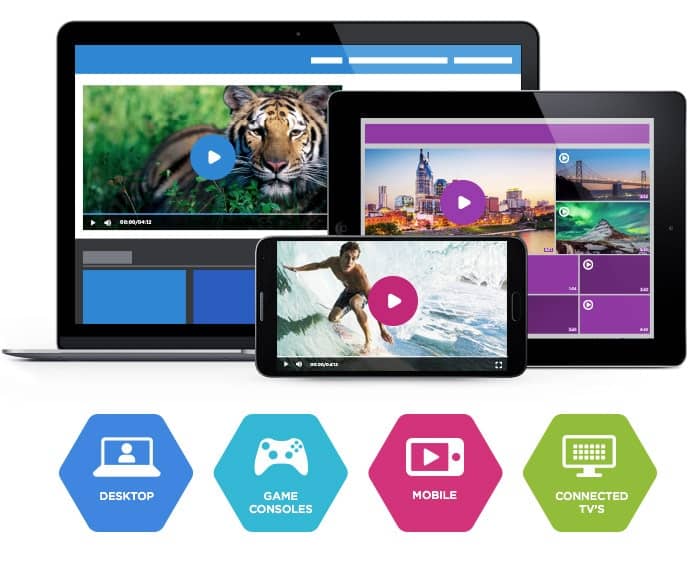
Rather than needing a telecom or TV provider box to interface with content, users can access media from a wide range of devices. These include mobile devices, desktop computers, gaming consoles, and smart TVs with fast channels for streaming OTT on-demand content. The device itself doesn’t matter as much as having a strong internet connection.
The term “OTT” often refers to video content but can also apply to audio streaming, messaging, or VoIP calling solutions.
OTT is an attractive option for organizations looking to add value to their brand. It allows broadcasters to offer content to consumers at a fraction of what traditional cable TV and telecom providers charge. Additionally, you can create original content that is exclusive to your OTT platform, giving them full control over distribution rights.
VOD vs. OTT: Understanding the Relationship
OTT and VOD are related but distinct concepts. VOD describes a delivery model (watch content on demand), while OTT describes a distribution method (deliver content over the internet). Although all VOD services are technically OTT, not all OTT services are VOD. A live-streamed sports event delivered over the internet is OTT but not VOD. A Netflix subscription is both.
Although the two content delivery systems differ, you can use OTT and VOD streaming in unison to stream professional content. In case of another pandemic (knock on wood!), the duo offers a streaming solution that can facilitate organizations worldwide to go ahead with scheduled events, conferences, and shows.
Schools and universities can use both technologies to provide online education materials. Churches and worship centers can broadcast services, outreach efforts, and testimonials. Even organized sports and publishing agencies can benefit from OTT streaming.
Video Hosting Security & Compliance
As VOD platforms handle increasingly sensitive content: corporate communications, healthcare training, premium entertainment; security is non-negotiable. A breach or content leak can cost a business far more than the platform subscription.
Core Security Technologies
Businesses hosting VOD content must prioritize security to prevent unauthorized access, content leaks, and data breaches. Several key technologies can help you safeguard your video assets:
- Encrypted Streaming: Secure video platforms use AES-128 or AES-256 encryption to scramble video data, making it unreadable to unauthorized users. This ensures that even if a video stream is intercepted, it cannot be viewed without the proper decryption key.
- Digital Rights Management (DRM): DRM systems like Google Widevine, Apple FairPlay, and Microsoft PlayReady protect content from being downloaded, copied, or screen-recorded. DRM restricts playback to authorized devices and ensures that only paying or permitted users can access the content.
- Secure Content Delivery Networks (CDN): A high-performance CDN with geo-blocking and token authentication prevents unauthorized users from accessing video streams. These CDNs distribute content securely across global servers while controlling who can view it based on IP restrictions, time-limited access, and domain whitelisting.
Dacast includes AES encryption, DRM for VOD, password protection, domain restrictions, and geo-blocking on all paid plans, the full security stack required for GDPR and DMCA compliance without additional tools or cost.
Regulatory Compliance Considerations
VOD operators must navigate several overlapping regulatory frameworks depending on their geography and content type:
- GDPR (EU): Requires explicit user consent for data collection, clear privacy policies, and the right to erasure. Applies to any platform serving EU audiences.
- DMCA (USA): Mandates takedown procedures for infringing content and content recognition tools to prevent unauthorised distribution.
- CCPA (California): Extends privacy rights to California-based users, including opt-out rights for data sale.
- WCAG 2.2 / ADA: Requires closed captions, audio descriptions, and keyboard navigation support for accessibility compliance.
Dacast’s password-protected portals, domain restrictions, and RTMP/HLS delivery controls address the technical requirements for GDPR data minimisation and DMCA geo-restriction compliance directly within the platform.
VOD Monetization Models
There are three established monetisation frameworks for VOD, plus a growing category of hybrid and AI-enhanced approaches. Most successful platforms combine at least two.
1. Advertising Video on Demand (AVOD)
With AVOD, users are given free access to content with the stipulation that sponsored video advertising is a part of the OTT experience, much like traditional TV advertising. They may or may not have the option to skip these online video ads. YouTube is a perfect example where the free plan shows ads to users while YouTube Premium lets them avoid ads. AVOD allows broadcasters to generate revenue without requiring paywalls or ongoing subscriptions.
2. Subscription Video on Demand (SVOD)
Users pay a recurring monthly or annual fee for unlimited access to a content library. Netflix, Disney+, and ESPN+ are the most recognised SVOD services. For businesses, SVOD is the most predictable revenue model, recurring subscription income is forecastable and churn-measurable, making it the preferred structure for online course platforms, fitness services, and membership communities.
3. Transactional Video on Demand (TVOD)
TVOD works best for high-value, time-sensitive content: live event replays, exclusive concerts, specialist training, or premium documentary releases. Dacast supports native pay-per-view (PPV) across all major devices without requiring a third-party paywall.
Hybrid Monetisation
Most scaling VOD businesses combine models. A fitness platform might offer free ad-supported workouts (AVOD), a monthly membership for the full library (SVOD), and premium one-to-one coaching sessions as one-time purchases (TVOD). See how to generate recurring revenue with VOD content.
What Makes a Great VOD Streaming Platform?
Consumer video platforms : YouTube, Vimeo’s free tier, social media, are not built for businesses that need monetisation, security, white-labelling, and SLA-backed uptime. Professional VOD platforms provide the infrastructure layer that social platforms deliberately omit. Key capabilities to evaluate when choosing a platform:
- White-label player: Your brand, your colours, zero third-party watermarks.
- Multi-CDN delivery: At minimum, a top-tier CDN partner like Akamai or Cloudflare for global reach and uptime guarantees.
- Monetisation flexibility: Support for AVOD, SVOD, TVOD, and hybrid models without requiring external plugins.
- Security stack: AES encryption, DRM, token authentication, and forensic watermarking at minimum.
- API access: For integrating VOD into existing workflows, CRM systems, LMS platforms, or custom OTT apps.
- Analytics: Real-time viewer data, play-by-location reporting, engagement heatmaps, and revenue dashboards.
- Support quality: 24/7 live support matters enormously during live events. Check SLAs carefully.
For a detailed breakdown of the features to evaluate before choosing, see our VOD platform features guide.
The 10 Best VOD Streaming Platforms in 2026
Pricing data verified April 2026. All prices are billed annually unless otherwise stated.
| Platform | From ($/mo) | Free Trial | Best For | Key Differentiator |
| Dacast | $39 | 14 days | SMBs & Pros | White-label, 24/7 support, Akamai CDN |
| IBM Cloud Video | $145 | 30 days | Enterprise | Massive scale, advanced security |
| Kaltura | Custom | Limited | Large Orgs | Deep customisation, API-first |
| Brightcove | $99 | Yes | Media companies | Ad monetisation, CMS integrations |
| Wistia | $19 | Free tier | B2B marketing | Heatmap analytics, lead capture |
| Vimeo | $20 | Free tier | Creators | Clean UX, OTT channel builder |
| Muvi | $99 (Live) | Yes | OTT launchers | No-code OTT platform builder |
| Wowza | $149 (event) | No | Developers | Low-latency, encoder flexibility |
| JW Player | Custom | Free trial | Publishers | Ad insertion, powerful HTML5 player |
| Vidyard | $59 | Free tier | Sales teams | Video personalisation & analytics |
Let’s take some time to look closely at some of the top streaming platforms available. Each entry leads with a one-sentence verdict to help you decide quickly.
1. Dacast

Best for: SMBs, professional broadcasters, and any business that needs white-label video with serious support.
Platform Overview:
Ideal for do-it-yourself and professional broadcasters looking to improve their offerings with affordable solutions. Dacast’s Streaming Solution is one of the few providers that offer no-contract options using secure top-tier CDN networks (Akamai), leader in world-class uptime and streaming reliability. Dacast pricing is also more affordable than other options. Another major way Dacast differs from VOD platforms of the same tier is its superb user experience. If you or your viewers run into any issues with any media content you’ve uploaded, Dacast offers 24/7 live support via chat and phone. That means your audience will enjoy superior-quality videos without technical issues and glitches spoiling their fun. Dacast also actively empowers its content creators by offering an extensive knowledge base.
Key Features:
Dacast’s key features include ad-free broadcasting, white-label service on all plans, and top-tier CDN delivery. Reliable 24/7 phone support is also available for scale and event plans.
Detailed Features:
- Secure, global content delivery, including industry-best video hosting
- 24/7 tech support with all plans, including email and live chat
- Video security features, including password protection and encryption
- RTMP Encoder for ingesting HLS streaming
- Digital Rights Management (DRM) for VOD
- Multi-user access on Scale and Custom plans
- Zoom live streaming integration for meetings and live events in real-time
- Expo 2.0 galleries video portal for immersive video experiences
- Player API access for 3rd party player integration
- Video API access on premium plans (scale and event)
- Adaptive multi-bitrate streaming
- Cloud-based video transcoding
- Real-time analytics
- Ad-free streaming
- Fully integrated RTMP streaming platform features
- Browser-based live streaming with WebRTC
- M3U8 file creation capability to enable adaptive streaming delivery of OTT video content across various devices
- AES video encryption for advanced streaming security
- Multi-user access (MUA) on Scale and Custom plans
- Expo galleries video portal for immersive video experiences
- Authenticate-only paywall for no payment content gating
- Plays by Location geographical insight
- Chinese streaming platform support
- Multi-CDN streaming for high-quality broadcasts
Pricing:
Dacast offers broadcasters a variety of live streaming pricing plans with Dacast: Starter, Scale, Event, and Custom.
- Starter: This plan is best for beginners, or those just testing the waters of on-demand video streaming, offering 2.4 TB of bandwidth, 500 GB of storage, and costing $39 per month billed annually.
- Event: This plan is for organizations that stream events once, occasionally, or on an irregular schedule, and/or don’t want to have a recurring monthly payment. It offers 6 TB of bandwidth, and 250 GB of storage, and costs just $63 per month billed annually. You can access this bandwidth for up to one year after purchase, making it an economical option for occasional event streamers.
- Scale: If you’ve got a fair amount of content banked and want to build an audience, the Scale plan may be a better fit. This plan offers 24 TB of bandwidth, and 2 TB of storage per year, and costs $165 per month billed annually.
- Custom: If your organization has high-volume streaming needs, you can contact Dacast for a custom plan tailored to your needs.
2. IBM Cloud Video

Best for: Large enterprises with dedicated video engineering teams and significant budgets.
Platform Overview:
A storied name in technology, IBM’s product aims at large businesses and enterprise brands. While their video platform offers robust encoding and security options, it lacks monetization features (no SSL paywall, TVOD, or AVOD). IBM also falls short with no bulk upload or Dropbox integrations. And their monthly pricing plans are high, between $99 and $999 per month for basic service and custom pricing with other add-ons.
Key Features:
IBM provides a sprawling video service. Their VOD solution, IBM Video Streaming, is packed with features. However, the expansive nature of the platform is a double-edged sword since it can be hard to navigate. If you have experience in video creation, then you can maximize the features offered by the platform to the fullest. IBM Video Streaming offers excellent scalability capacity. Making it the VOD platform of choice for large organizations with expert broadcasters.
Pricing:
The pricing plans for the IBM Cloud Video include:
- Start Trial – Video Streaming: Give it a free test drive for 30 days
- Silver: Affordable Essentials, 100 viewer hours, 5 channels, 1 TB video storage, starting at $145/month
- Gold: Standard business features, 2,000 viewer hours, 10 channels, 2 TB video storage, starting at $729/month
- Platinum: Premium Volume scale, 5,000 viewer hours, 20 channels, 5 TB video storage, starting at $1,460/month
- Custom: Please contact IBM Cloud video for custom plan pricing as well as payment plans
3. Kaltura
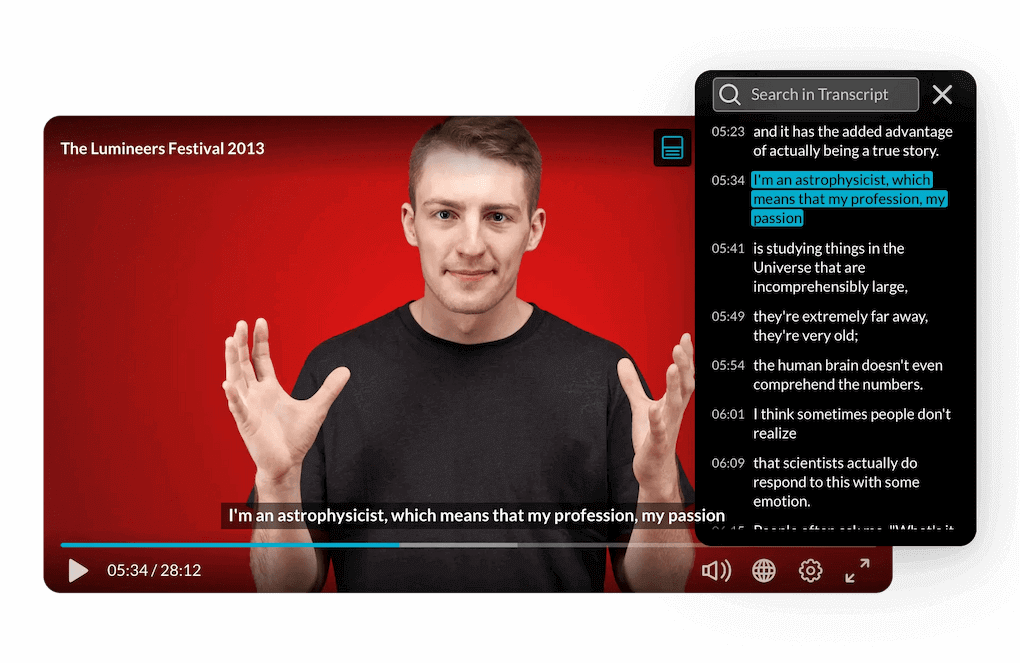
Best for: Universities, large enterprises, and organisations needing deep customisation and API-first architecture.
Platform Overview:
Similar to IBM, Kaltura is geared towards enterprise brands and large institutions. Their product does include some top-notch features like multiple encoding options, video hosting and library organization tools. Kaltura also boasts robust API and security features. However, Kaltura has limited monetization avenues. Their product includes no native pay-per-view, subscription, or OTT advertising options. You can use external plugins for these features, but this adds yet another level of complexity to the equation. We recommended this VOD platform for veteran content creators or medium to large-sized organizations with more flexible budgets.
Key Features:
Kaltura is best for enterprise businesses and other large organizations. Since it is customizable, the platform offers a lot of flexibility. Their prices are not published on their website, but users have reported that Kaltura’s software comes with a hefty price tag.
Pricing:
Kaltura pricing is based on the solutions you’re looking for. Kaltura is enterprise-grade and highly customisable with strong API and SDK support. Pricing is not published and reportedly carries a significant cost. Native monetisation (PPV, SVOD, AVOD) requires external plugins, adding complexity.
4. Wistia

Best for: B2B marketing teams focused on lead generation, video SEO, and sales enablement.
Platform Overview:
Wistia is a unique player in the VOD online streaming niche. Focused mainly on marketing, Wistia offers unique features such as “heatmap” analytics and an organizational “project” structure not found on other platforms. If B2B video marketing is your goal, then Wista is an option to consider. We don’t recommend the platform if you’re looking to magnetize more mainstream audiences. The platform offers access to great educational resources. Keep in mind though, that the platform has a defined niche: marketing. Wistia does NOT offer live streaming capabilities nor includes any native monetization options. It does however offer a smaller-scale free-to-use version if you have a smaller audience.
Key Features:
Since Wistia is a more specialized VOD platform, it does not include all of the great features included with the other VOD platforms we’ve covered. It has quite a few limitations and may not be ideal for all users. You can integrate paywalls using external plugins, but these come with extra costs and configuration. Wistia also lacks several key API and Security features (such as SDKs for iOS /Android and AES encryption) that most SMBs and enterprise brands need.
Pricing:
Wistia has five pricing plan tiers, with a 20% discount when billed annually:
- Free: No cost to use; up to 250 subscribers and 3 videos; cannot remove Wistia’s branding from the video player; 15 minutes maximum webcam recording time
- Plus: $19/month; 30 minutes maximum webcam recording time; video SEO; option to remove Wisita branding; $2.00 for extra media costs
- Pro: $79/month; 60 minutes maximum webcam recording time; supports up to five channels; $1.00 for extra media costs; Google analytics integration; white-label video player
- Advanced: $319/month; supports unlimited number of channels; A/B testing features; live chat and priority support; $0.50 for extra media costs; 60 minutes screen and webcam recording time
- Enterprise: there are also business solutions with custom pricing; supports an unlimited number of users; 60 minutes screen and webcam recording time; $0.25 for extra media costs; custom pricing for live event additional costs
5. Brightcove
Best for: Media companies and large publishers running ad-supported video at scale.
Platform Overview:
Boston-based Brightcove was founded in 2004. It is one of the oldest online video platforms offering cloud encoding, live streaming, and VOD (video on demand) hosting. Brightcove is a good choice for serving ads and monetizing content. However, you need a large budget and must sign a contract. Brightcove doesn’t publicly list its pricing plans, but users report anywhere between $199 and $499 per month for basic packages (with additional services costing extra). You’re also required to sign a contract for services as well. The platform ticks all the basic boxes when it comes to VOD and live streaming. Although it is on the pricier side, especially considering its features and other platforms of similar tiers.
Key Features:
Users report the Brightcove platform as “robust” and “easy to use”. The platform includes essential features such as batch uploading and simplified management of large content libraries. The company also supports all revenue generation models for online video.
Pricing:
Here is what we currently know about their pricing structure:
- Basic Plan: Starts at $99 per user per month, which includes core video hosting and management functionalities. This plan is well-suited for businesses with basic video needs, such as small content libraries or internal communications.
- Enterprise-Level Plans: These plans are highly customizable and include advanced features such as live streaming, in-depth analytics, security options, and robust integrations. Pricing is tailored depending on the specific needs of the business, including audience size, storage requirements, and additional services like video monetization and support.
- Customization Costs: Enterprises may face additional expenses for features like platform customization, data migration, employee training, and ongoing maintenance. These costs can range from a few thousand dollars to significantly more, depending on the complexity of the requirements.
- Free Trial: Brightcove offers a free trial for prospective users to test its features before committing to a subscription, which is a helpful option for evaluating its capabilities in real-world scenarios.
Brightcove builds custom pricing plans to suit enterprise streaming needs. Please contact their sales department to find out the pricing structure for their live streaming features.
6. Muvi
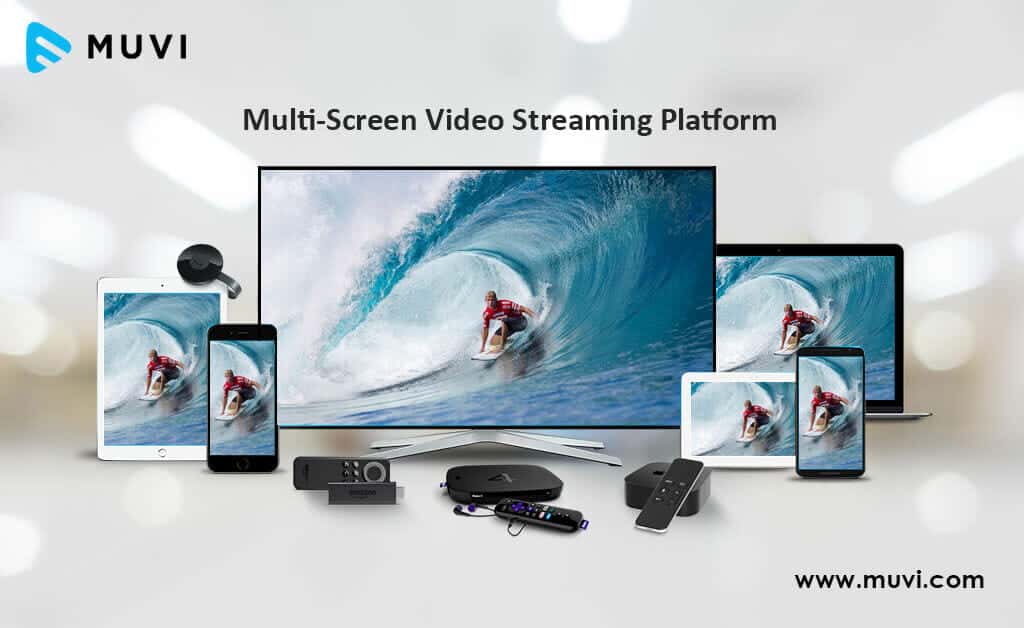
Best for: Businesses wanting to launch a fully branded OTT platform (website + mobile + TV apps) without writing code.
Platform Overview:
Muvi is a complete streaming solution with many impressive features. The platform is another of the best live-streaming platforms that are focused on OTT media distribution. This online video platform is unique in that it is designed specifically to help broadcasters create OTT streaming platforms quickly and easily. This model empowers users to launch their own video or audio streaming platform quickly and easily. Additionally, the platform includes an all-inclusive and fully-featured website, mobile, and TV apps. Highly recommended if scalability is something you’re looking for in your VOD streaming platform of choice.
Key Features:
With Muvi, you can create a VOD streaming platform powered by OTT in no time. The beauty of this platform is that it includes a fully managed, end-to-end streaming solution that is controlled by a single streaming video CMS. No coding or IT support is required to stream with Muvi.
Pricing:
Muvi has 7 pricing plan categories, namely One, Live, Flex, Player SDK, Playout, TV and Alie. Pricing from: Muvi One Standard $399/mo | Muvi Live Standard $99/mo. Visit muvi.com for full matrix.
7. Vidyard

Best for: Sales and revenue teams using video for prospecting, deal acceleration, and customer success.
Platform Overview:
Vidyard is another marketing-based platform that offers all-in-one video hosting and streaming solutions. It’s designed to help businesses host and share video content for marketing, sales, and corporate communications. Vidyard offers powerful video analytics and an easy-to-use interface. You’ll easily keep your viewer’s attention with its interactive viewing experience. Overall, a good option for hosting encoding and tracking how viewers watch content and what they like.
Key Features:
Vidyard’s business-focused platform is fully equipped to give users the tools they need to turn viewers into paying customers.
Pricing:
There are a few ways to break down Vidyard’s pricing. They have two main umbrellas that their services, and are packaged as follows: Packages for Individuals and Teams: Vidyard prices its platform based on the use case and includes the following packages: Packages for Individuals and Teams:
- Free: $0/month; limited video recording, up to 30 minutes video recording length
- Plus: $59/month, billed annually; Unlimited video recording, hosting, and recording lengths
- Business: Custom pricing, with add-ons available
8. Vimeo

Best for: Independent creators, agencies, and startups that want a polished, ad-free viewing experience.
Platform Overview:
Since its founding in 2004, Vimeo has grown to be one of the most well-known video platforms on the internet. Originally, Vimeo made its mark by offering an ad-free experience for video sharing, which made it an instant hit with creators and audiences. Now, it offers live streaming and enterprise video hosting space, with a range of services targeting businesses of all sizes. The platform emphasises quality over quantity, which is appealing to many professional creators and businesses. Vimeo offers a cleaner user experience and a vast array of customization options.
Key Features:
Vimeo is a cloud-based video streaming platform with comprehensive video hosting and live-streaming functionality. Vimeo has a simplified live streaming interface with features like text and graphic overlays and social share options. It also has plenty of tools that help with greater audience interaction. But the Vimeo OTT platform is designed for building monetizeable VOD libraries.
Pricing:
Vimeo offers basic video hosting plans that are suitable for content creators and startups. Pricing if billed monthly, is as follows:
- Free: $0/month; 1 GB storage, creation and editing, screen recording
- Starter: $20/month
- Standard: $41/month
- Advanced: $108/month
- Enterprise: Custom pricing
Vimeo is great if you want to maximize the usage of your content by turning your live streams into VOD content. Vimeo OTT Pricing:
- Vimeo’s OTT solution is priced separately from the regular Vimeo packages. There are two plans: Starter and Enterprise.
- Starter Pricing: $1/subscriber per month (or 10% of one-time purchases)
- Enterprise Pricing: Contact sales
This OTT-specific pricing package comes with the Vimeo.com relationship. These plans include all the basics for starting your web-based OTT channel, as well as growing your OTT business online.
Update. June 2026: Vimeo On Demand is being permanently shut down. Key dates: new uploads blocked August 22, 2026; new purchases and subscriptions blocked September 21, 2026; platform fully offline November 20, 2026. Viewers who purchased content will lose access after November 20. If you used Vimeo On Demand for PPV or rental monetization, migrate before September 21. See our guide: Best Vimeo On Demand Alternatives.
9. JW Player

Best for: Digital publishers, news sites, and media companies monetising through advertising.
Platform Overview:
First conceptualized in 2005 as part of a student project, JW Player began as a small piece of open-source code to play audio and video files. This code was used in the first YouTube video player, which makes this technology an important part of video streaming history. JW Player was originally known for its HTML5 video player for VOD content, the technology has expanded beyond on-demand content to support live streaming, as well.
Pricing:
JW Player essentially offers 4 pricing tiers:
- Stream: This plan offers video delivery, asset management, instant and broadcast live
- Play: This plan offers cloud hosting, HTML5 Player, OTT apps, and mobile SDKs
- Engage: Take advantage of real-time analytics, recommendations, article matching, and custom reports
- Monetize: Use tools like ad insertion, player bidding, outstream ads, and studio DRM
With JW Player, you will need to contact sales to discuss your needs and get custom pricing or start with a free trial.
10. Wowza
Best for: Developers, technical event producers, and organisations needing encoder-level flexibility.
Platform Overview:
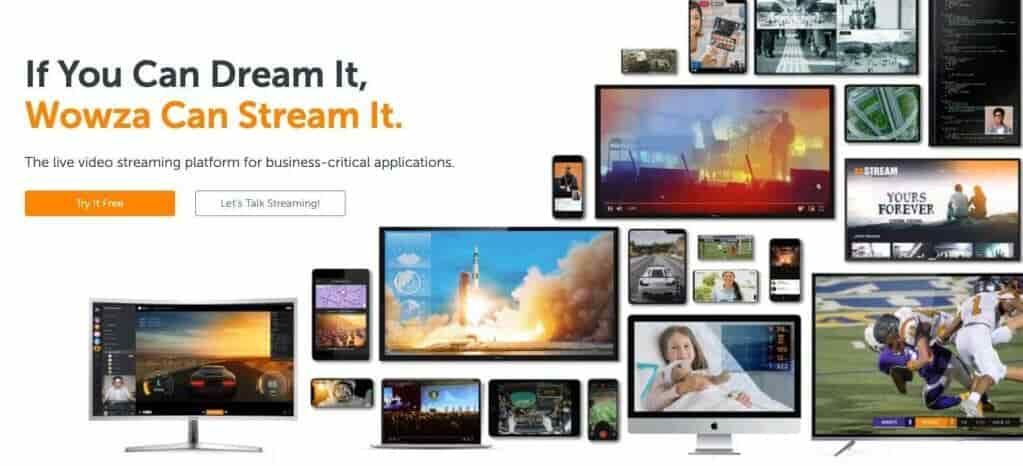
Wowza is a VOD streaming platform that delivers across phones, tablets, and consoles. It focuses on greater accessibility, flexibility, and cost-effectiveness. It is one of the best platforms for streaming video on demand if your internet speed is less than ideal. The platform also offers good customer support and has all the basic streaming features.
Wowza offers two main products, including the Wowza Streaming Engine and the Wowza Streaming Cloud. The platform offers a specific solution for VOD streaming.
Key Features:
Wowza’s live streaming platform is designed to help developers, event producers, and technical entrepreneurs deliver live and on-demand streaming content.
Pricing:
Wowza recently overhauled its pricing plans and added several options. These are split into 2 main tiers: Video and Streaming Engine. Wowza Video:
Wowza Cloud Streaming offers three different pricing plans and live streaming video services.
Live Event Pricing, monthly plans include:
- One Month of Streaming: $149 one-time purchase; includes 15 hours of live streaming and 500 viewing hours
- Pay as you go: $0/month; $2.50/hour of streaming, all usage billed separately
- Enterprise: Annual plans built for your needs; contact sales for custom pricing
All of these Live Event plans include full brand control, adaptive-bitrate streaming, and HD and UHD streaming. Wowza Streaming Engine: The Wowza Streaming Engine has its own pricing plans. These professional-grade streaming plans are billed annually and include:
- One Month of Streaming: $295 one-time purchase + $295month for each additional instance
- Basic Monthly: $195/month + $195/month for each additional instance
- Enterprise: Please contact Wowza directly for access to their custom-tailored high volume enterprise solutions
Wowza is a platform that has streaming plans that work for both individuals and businesses. If you need a live streaming portal with plans that will grow with your business, Wowza may be right for you.
FAQ
OTT stands for over the top. In simple terms, it means providing movies and television content over the internet instead of traditional methods like cable, satellite TVs, etc. This content is typically on-demand, and the viewers can watch it whenever they want.
Yes, Netflix is one of the biggest OTT streaming platforms in the world, as it delivers movies and TV shows to its users through its VOD streaming app. It works on the SVOD monetization model, where it monetizes the content through subscriptions. Netflix also has an ad-supported pricing tier now.
VOD content is pre-recorded and available on demand at any time. Live streaming broadcasts in real time. Many businesses use both: live events generate engagement; recordings repurposed as VOD extend that content’s value indefinitely.
For businesses, a true free professional VOD platform does not exist, the trade-off is always between cost and capability. Dacast offers a 14-day free trial with full features. Vimeo and Wistia offer limited free tiers (3 videos maximum). For creators, YouTube remains the largest free AVOD platform, though it lacks white-labelling and monetisation flexibility.
Professional VOD platforms range from $19/month (Wistia Plus) to $1,460+/month (IBM Platinum). For most SMBs, platforms in the $39–$165/month range, such as Dacast’s Starter and Scale plans, provide the full feature set required for branded, monetised streaming. Enterprise platforms (Kaltura, Brightcove, IBM) are custom-priced and typically cost thousands per month.
It depends on your use case. For white-label, monetised streaming with strong support at an affordable price, Dacast is the leading option for SMBs and professional broadcasters. For large enterprises needing deep customisation and API integration, Kaltura or IBM Cloud Video are worth evaluating. For marketing-led video, Wistia or Vidyard are more focused fits.
Conclusion
Selecting the right VOD platform is a must for delivering high-quality, on-demand content to your audience. Whether your focus is on live streaming, building a comprehensive video library, or monetizing your content, the platforms we’ve explored offer a range of features to suit different business models.
From advanced monetization strategies to cutting-edge security and engagement tools, today’s VOD solutions empower content creators, businesses, and broadcasters to maximize reach and revenue. If you’re looking for more in-depth comparisons, be sure to check out our detailed breakdowns of live streaming and OTT platforms.
For those seeking a robust, professional-grade solution, Dacast stands out as a powerful choice. Offering ad-free broadcasting, full white-label capabilities, and 24/7 expert support, Dacast simplifies VOD streaming for businesses of all sizes. Ready to experience it for yourself? You can try Dacast completely free for a full 14 days by signing up today.
Get Started for Free
Thanks for reading. If you have any questions or experiences, please let us know. And for regular live streaming tips, join our LinkedIn group.
